My Late-Stage Lyme Diagnosis

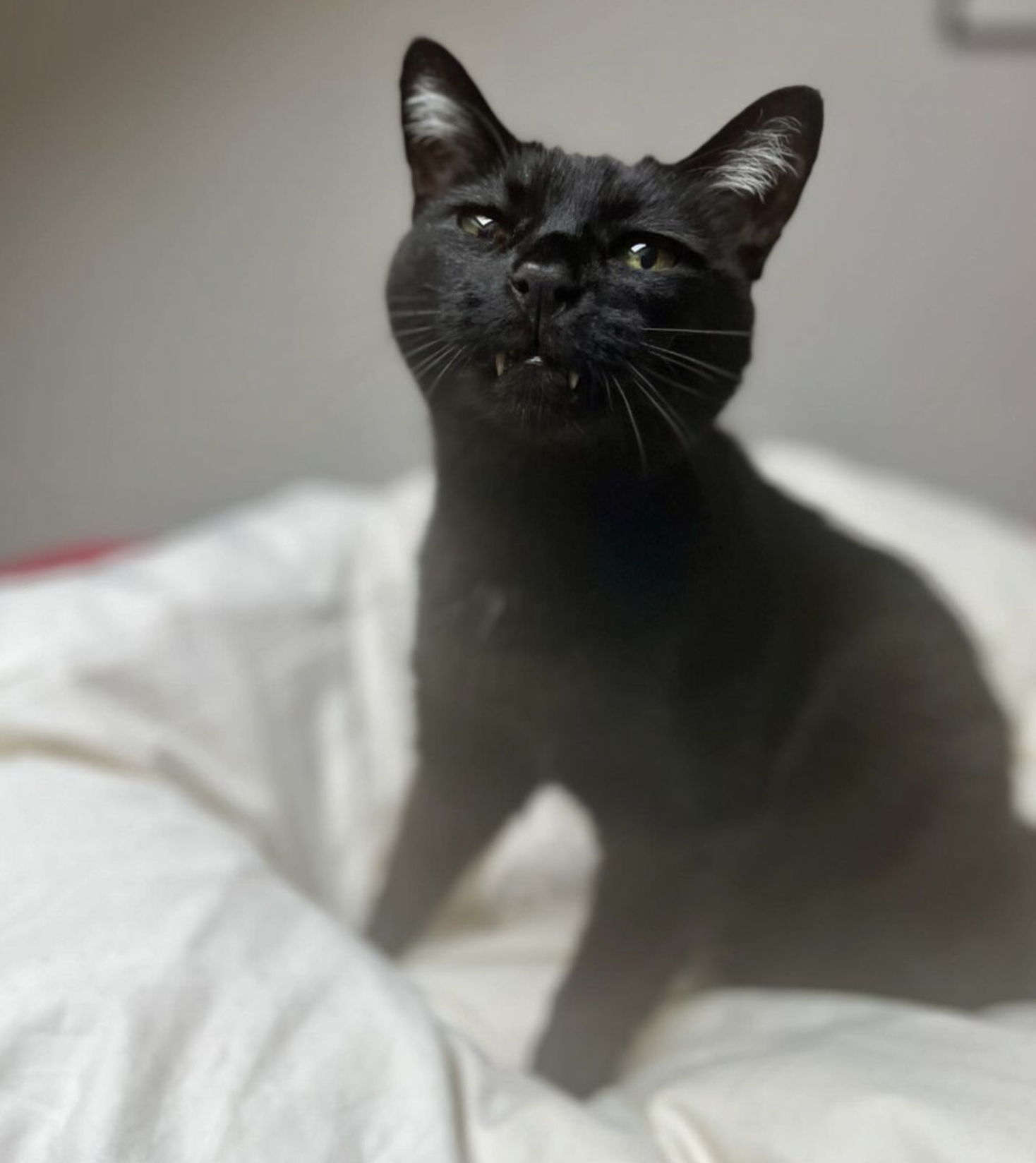
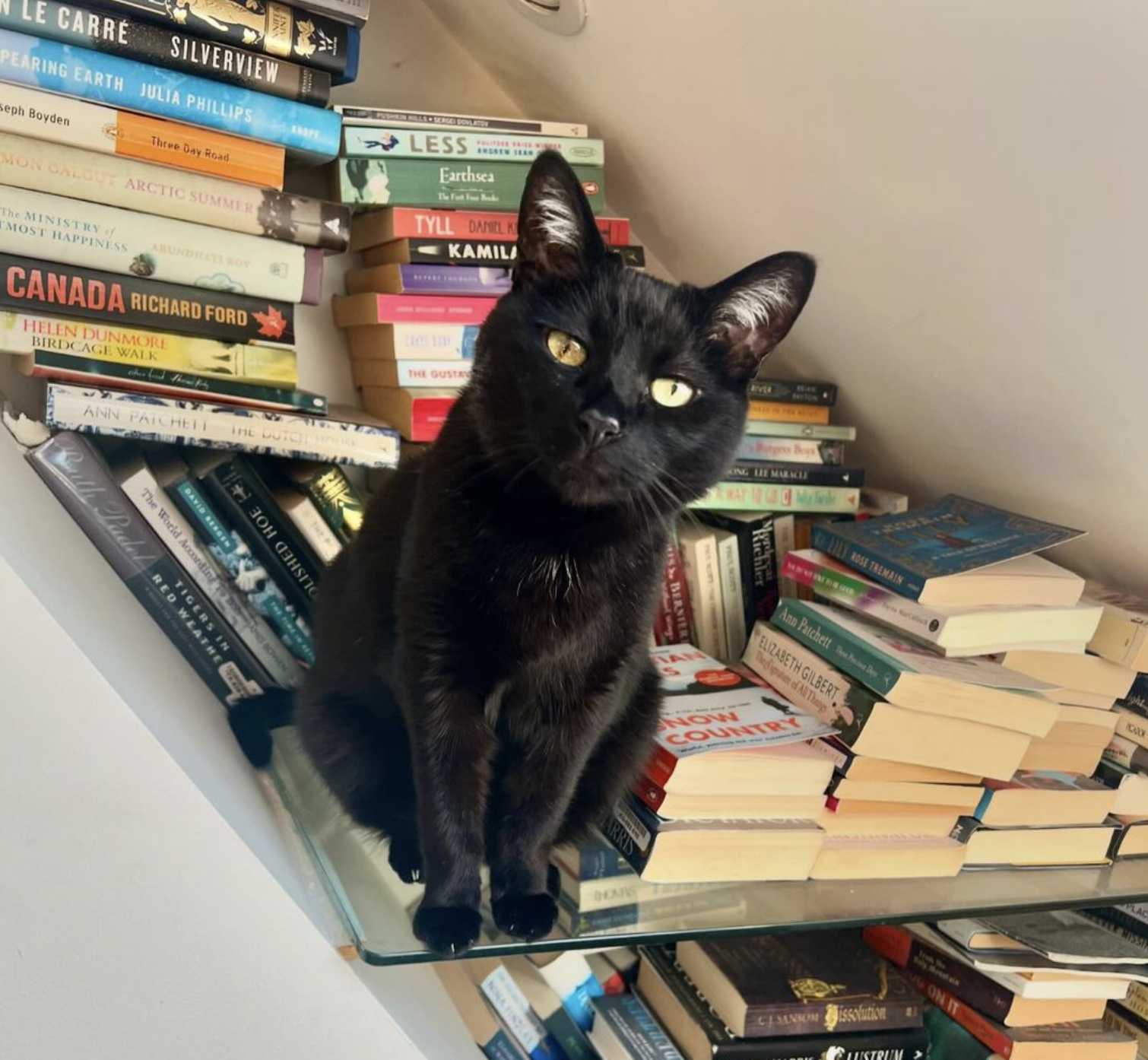
Sandra's black cat, Ronan, sitting on  a white duvet

I wanted to write a little more about this other than my brief Facebook post, which I had so many kind responses to.

What feels important to say is that it’s my understanding that there isn’t really a fool-proof test for this, particularly since I’ve probably had it for 30 years.

I had, in fact, expected a diagnosis of chronic Rickettsial disease, not Lyme. Rickettsiosis is similar to Lyme – I contracted South African Tick Bite Fever a few months prior to the onset of typical chronic fatigue symptoms. I did go to the London Hospital of Tropical diseases and show them my bull’s eye rash, but they sent me away saying I’d get better. I didn’t really put two and two together until some time later – years in fact, and I did try to treat whatever was going on for me alternatively, but with no real change.

The recent diagnosis of Lyme was made by the private practitioner Dr. Ben Sinclair on the basis of a few things, my symptoms of course, and in terms of blood testing my extremely low NK (killer cell) count for dealing with bacteria, a borderline Borrelia (a bacteria that can cause lyme) iSpot, and some anomalies in the size of my red blood cells and the amount of hemoglobin in the cells (high mean cell volume and low mean cell hemoglobin content, indicating potential inflammation or intracellular bacteria).

It does at the very least explain the many acute and chronic bacterial infections I’ve had over the years. What is good is that I did not test positive for co-infections, which are very common with tick-borne illnesses, and my NK cells for dealing with viruses are, apparently, doing their job.

I am very much aware that an antibiotic protocol has potential problems, and doesn’t necessarily ‘cure’ someone with Lyme. This is especially if you’ve had it a long time. I read recently that the longer a chronic health condition lasts, the more likely other conditions accrue. I believe this is true. I also think multiple factors are usually behind a chronic illness, from trauma to DNA to a pathogen, and lifestyle factors. (I would say all three are involved in my own illness.) Or, you can have an initial positive response to antibiotics, and then the symptoms return, and further antibiotics are needed – or they simply don’t help in the long run.

As some of you know, there are two reasons I decided to work with a private consultant versed in tick-borne illnesses, and to treat with antibiotics: Meghan O’Rourke’s book The Invisible Kingdom: Reimagining Chronic Illness, which charts her own multiple health issues and journey trying to find answers, and her positive experience with antibiotics, as well as the fact that earlier this year after three weeks of some unknown illness, I responded immediately to Doxycycline. In the past I’ve worked with at least two alternative practitioners who used herbal protocols that included treating tick-borne issues, but as I mentioned, without any noticeable results. Possibly the same will happen after 16 weeks of three different kinds of antibiotics (Dr. Sinclair’s protocol, and common in the US and Germany). But given I have pretty much tried everything else, and I’m only getting worse, not better, I thought it was worth a try. Perhaps it will relieve at least some of my symptoms, which would be amazing! I realise I will need to pay special attention to the gut microbiome. (Meghan O’Rourke did Faecal Microbiota Transplantation treatment here in the UK at the Taymount Clinic, but this is very costly.) I do already make sure I eat prebiotic/probiotic encouraging foods (and supplements).

Mostly I wanted to write this to help me manage my own expectations, and to outline a little about the ‘story’ – that it wasn’t a shock to get the diagnosis, in fact initially it felt good, to have something specific as I was never even sure I (still?) had Rickettsial disease. And, like most people diagnosed with ME/CFS my regular blood tests are nearly always ‘normal’ and this is frustrating when I have so many debilitating symptoms that leave me largely house-bound and often bed-bound. So to actually see on paper that I do have issues with my immune system – and probably have done so for a long time, it’s a weird kind of relief! And, to be honest I am finding the whole process quite stressful. The basic costs involved are high and many of you have already generously donated to help me get to the point of diagnosis. I will need to get the antibiotics, which have very specific timeline/dosages, and organise three follow up consultations with Dr. Sinclair during the course to ensure I’m doing okay, plus another blood test from Germany once I’ve completed the protocol.

I’m hoping I can get the antibiotics prescribed by my own GP but she’s not available until mid December. Please send good will wishes that she can prescribe and is amenable to the approach! Otherwise I will have to get them privately. Once I have a clearer idea I’ll update my fundraiser.

Thanks as always for your support, for reading this far if you’ve managed!
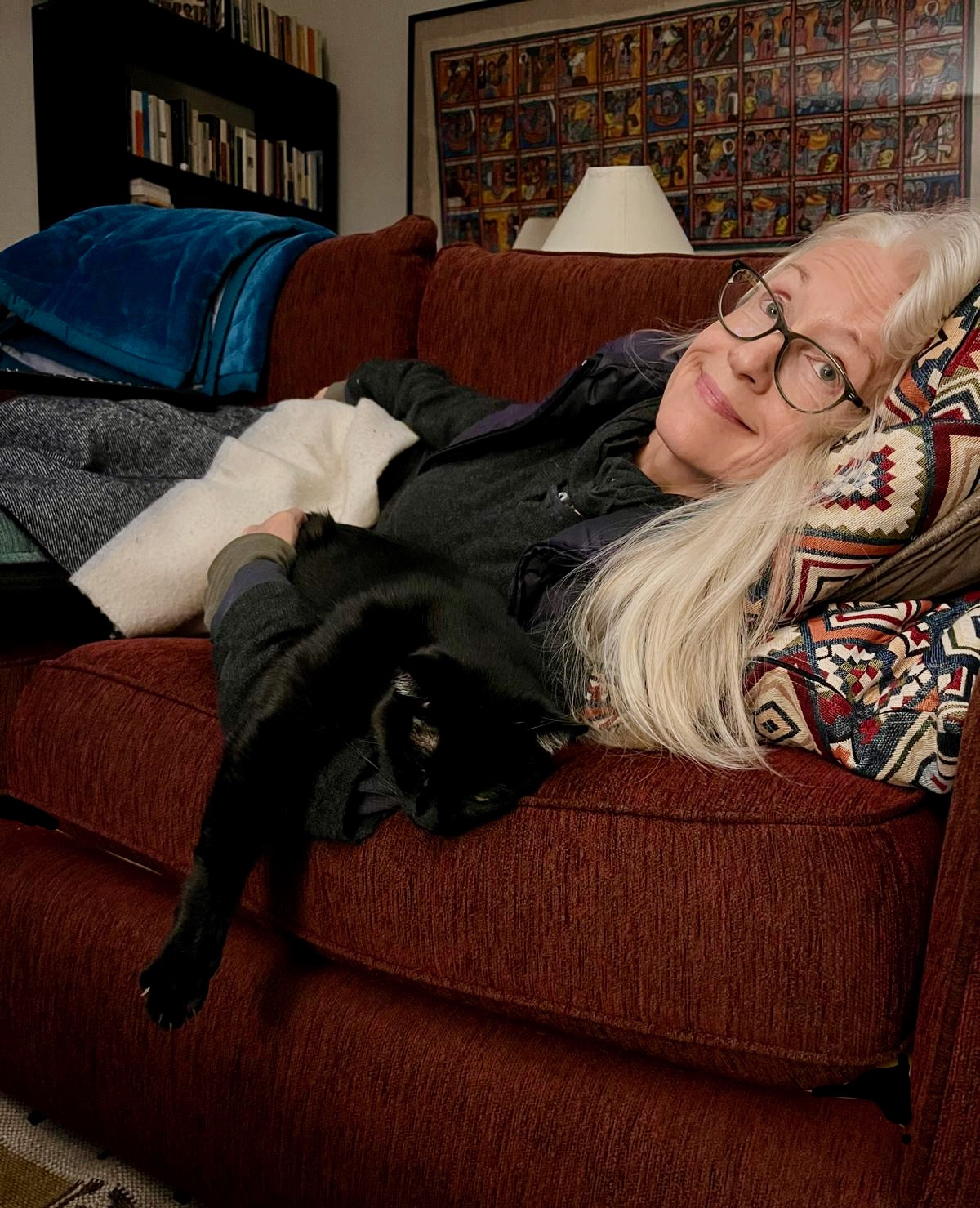
Sandra lying on a couch with her black cat Ronan

Photo by David Crean

Previous blogs of mine on my physical situation:
The Art of Illness: Part Two
The Art of Illness
Finding Home
Doctor, Doctor
44 Weeks
Still Suffering
ROCKS AND FLOWERS
Feeling Normal
The Real Story
The Unendurable, Part Two
The Unendurable
IT’S NOT COVID
More Things I Don’t Want To Talk About
On Being Invisible

THE ART OF ILLNESS

It’s been over a year since I wrote a blog about my health (the latest one being Finding Home). Mostly because not a lot changed since then, both positive and negative aspects were on an even keel – nothing drastically new, but manageable, many thanks to all the support I received from so many of you. So: better mental health, lessening of weird symptoms (burning mouth/foot syndrome, thyroid goitres etc) but still the small window of energy each day, bordered by exhaustion, still a continuous discomfort veering sometimes into pain down my sciatic nerve, still my pancreatic insufficiency for which I have to take digestive enzymes with everything I eat, still getting up in the night to wee several times, and sadly the restless legs returned when I stopped the sciatic pain medication, but if I can get my ‘bad’ leg pulled (quite literally!) before sleep, this seems to ease it so I’m sure it’s associated with my prolapsed disk. I’m also still waiting for consultations with an NHS cardiologist etc (it’s been over 2 years now…), but it’s been a while since a tachycardia episode has woken me violently in the night.

If there is an art to illness, I felt I was learning it.

I suspect one of the main skills involved in such an art is being willing to ask for help. If you’ve read my blogs you’ll know how difficult this is, was, for me, and yet doing so created a fundamental shift inside me, the beginnings of rewiring of old programming that I had to do it alone, had to be independent, strong, without needing help from others. This was what my mother modelled, and although I could see how negatively this affected her and her life, it was hard to shake myself free of the same beliefs. I was forced to, my health deteriorating so severely I more or less had no choice (see The Unendurable).

But something changed in March and once again I’m asking for help. If you’d prefer to skip to the specifics rather than my lengthy preamble, go here.

For no particular reason (that I know of), my exhaustion no longer had a window of energy and became crushing. It is 24/7. It’s affecting my eyesight, I can barely focus until late in the day (I’ve had my eyes tested, they are fine). The only times this had happened before was if I was actively ill, or after my adverse reaction to the vaccines. I was (am) still “aggressively” resting which means guided meditations lying down and an eyemask, at least twice a day – my days being shorter than most people’s as the best sleep I seem to get is in the morning, so I get up late, and my body starts to shut down around 7 pm, so the most I’m doing then is watching TV or reading.

Although this exhaustion bothered me, I decided to participate once again (and hopefully assist a little) in my partner, David Crean’s  Body Resonance Goddess retreat in the beautiful Milelja Retreat Centre near the little town of Molyvos. I was much sicker the first time (two years ago), and almost didn’t go. I’m so glad I did as it was a deeply healing experience. This time, although I continued to feel very tired, it was once again amazing. Particularly important for me was making deep connections with three beautiful women, two of them half my age (but twice as wise), connections I know will last my life. But the journey home was challenging, 19 hours of delayed flights and long drives and sitting on runways or in the air awaiting a slot.

Two days later I became profoundly ill. What I sometimes call my ‘usual’, only more severe and lasting much longer than normal: deep malaise, as if you are about to come down with a tropical illness, or a bad flu, but without any coughing or sneezing or even fever. I could sense something was ‘in’ me, something unwanted – a virus, bacteria, mycoplasma, I don’t know. Something that lives inside me and hurtles to the surface when triggered, most likely. A retained pathogen, my acupuncturist believes. Three weeks of utter grimness.

At the time I was reading The Invisible Kingdom: Reimagining Chronic Illness, a 2022 medical memoir by the poet Meghan O’Rourke. It tells the gruelling journey of her own physical health, but also delves into the social and political ramifications of chronic illness. The gaslighting, the sexism, the failures of the medical institutions. The book is extensively researched and she interviews a number of doctors and scientists. It’s not an easy read, not because it isn’t well written, it is, but because of all she suffered emotionally and physically, still suffers, and the truth she writes about how it is for those with chronic illness.

There is so much I’d like to quote from the book but the parts that struck me the most were about how so many who are ill are expected to learn something from it. We do, of course we do, but at what cost? As Meghan writes:

There is a razor-thin line between trying to find something usefully redemptive in illness and lying to ourselves about the nature of suffering. Until we mourn what is lost in illness—and until we have a medical community that takes seriously the suffering of patients—we should not celebrate what is gained in it.”

If you don’t want to buy the book, Goodreads has a good list of short extracts and quotes.

Like myself, Meghan has multiple reasons for her illness. But the thing that helped her the most, the thing that allowed her to live a relatively normal life, was treatment for Lyme disease: an intense and long-term course of antibiotics. (She followed this up with FMT in England – fecal microbiota transplant, to take care of the microbiome killing side-effect of antibiotic therapy, something I’ve known about for years as it can help those with chronic illness, but for me it’s unaffordable).

One of the factors that most likely triggered my ME/CFS was South African Tick Bite Fever (similar to Lyme, but often called Rickettsia). I’ve long thought about embarking on an antibiotic treatment, long avoided it, long wanted to try everything else. I’ve also thought about taking antivirals, which some with ME/CFS do very well on, and given it’s likely I have flare ups of Epstein Barr Virus and that I do have flare ups of HSV 2, they could help. But my impulse has always been towards alternative approaches, and even when I went to a tick-borne illness versant doctor in Germany fifteen years ago, she treated me with herbs (one year of them, after which she said I was cured and yet my health steadily deteriorated, possibly because I wasn’t properly dealing with past traumas that can also be a factor in chronic illness. I went on another tick-born illness focussed herbal protocol about six years ago – you read Finding Home you’ll see the extensive trauma therapy journey I’ve been on – and my mental health has never been better thanks to this. But I’m still ill).

Reading Meghan, and feeling so entirely awful for three weeks got me thinking. There are tests for tick-borne diseases, mostly in Germany and the US, but they are hugely expensive and not entirely conclusive. I spoke to my GP here in the UK and she told me she has a patient with a similar profile– trying everything including trauma therapy, and that the antibiotic most used for Lyme, Doxycycline, finally helped this patient. Would I like to try? I had no hesitation. YES, I said. I didn’t expect any result but within a day of taking them I no longer felt grim. The tiredness, the difficulty focussing, yes, but not grim. I’m on a week trial, to be extended another week if I’m doing alright.


A couple of days after starting the antibiotics I connected with someone in a support group for those with tick-borne illness. I’m not sure why I reached out to this particular person, perhaps because she’s both a scientist and a writer, because I liked her profile picture, her posts about solar power, about how humans and apes share a common language, her posts about cats. She hasn’t been ill for as long as I have and she initially thought it was ‘just’ Long Covid. She discovered Dr. Ben Sinclair, a private consultant who is putting together a centre of excellence focussing on hard to diagnose and treat illnesses like Long Covid and Lyme and is working with some world leading experts on these.

As I know, many with post covid infections or adverse reactions to the vaccine have reactivation of other viruses or bacteria and based on her symptoms, Dr. Sinclair treated her with both Doxycycline and antivirals (Valacyclovir). While she still has Long Covid, she is doing much better since this combined treatment, and still works with him.

Given my own GP is not a specialist in this area, given the NHS only allows for 10 minute slots if that, and given this new journey I am on is not straightforward, not without side-effects or detours or set-backs (as is clear from Meghan’s book) I strongly feel I need such a support, at least an initial consultation.

It’s not cheap, of course, but much cheaper than the blood tests I had vaguely been thinking about over the years: £299 for an initial 45-minute consultation. (The ten-day FMT Programme Meghan did in the UK costs £5175.00 but that’s not in my sights right now!).

So, yes, once again I’m asking for your help. Once again it isn’t easy, and I have no expectations. But if you can help that would be amazing. (If you’ve read this far, that’s amazing too!).

I would like help towards two consultations with Dr. Sinclair, one to start with and another to see how I’m getting along. Thankfully as I’m ancient now, prescriptions are free 😊

Here is the link to the fundraiser: Can you support my journey to physical recovery?

Thank you for reading. Thank you for being there. Thank you for the little messages I get on my Facebook and Instagram posts, it all means so much to me.


Previous blogs of mine on my physical situation:
Finding Home
Doctor, Doctor
44 Weeks
Still Suffering
ROCKS AND FLOWERS
Feeling Normal
The Real Story
The Unendurable, Part Two
The Unendurable
IT’S NOT COVID
More Things I Don’t Want To Talk About
On Being Invisible

THE REAL STORY

Yesterday, one of my kind neighbours drove me from an acupuncture session back home. Accompanying her was a friend of hers, a young woman (well, I have no idea how old she is, I feel older than most women I meet these days). “This is Amie, who I was telling you about,” my neighbour said – someone else with an ‘invisible’ condition.

I asked Amie what was going on for her. “Oh it’s a very long story,” she said. I smiled. “Don’t worry, mine is endless,” I said. So she told me. And it is a deeply sad story, of someone who has gone through so much, struggled so much, with bizarre and strange and highly debilitating symptoms – including waking up one day to find the skin on her face suddenly droopy – and then the rest of her body following. It’s likely that endocrine issues and pyroluria are a part of what’s going on, but she still has not got to the bottom of it and doctors seem largely unable to help. She’s had to deal with this for so many years, and you’d never know unless you asked.  To look at her you’d think she was fine, a bright, funny, gorgeous person.

Amie has found for herself a way of being in the world that helped create at least a small improvement on how it was, step by step, but what a path to walk.

I’ve talked about invisible illness before. I’ve talked about my own physical issues – a lot, lately – maybe too much for most of you reading. But after decades of not writing about what’s going on for me health-wise, this past year of, well, pain and suffering and crushing exhaustion, seems to have pushed me to doing a lot of things I wouldn’t normally do: write more about what’s going on for me, and ask for help – financial help! such a massive step for me to take – and help from neighbours to ferry me to and from various medical and therapeutic appointments.

I already knew I wanted to write this blog but synchronicstically a friend sent me a link to an interview with the poet Meghan O’Rourke, talking about her book, The Invisible Kingdom, Reimagining Chronic Illness. I didn’t know about Meghan, or her book. The interview is great, it’s short and well worth listening to.

Like so many of us with chronic conditions without clear treatments or even diagnoses, Meghan had to become a detective of her illness, and an advocate for herself.

She talks about the additional pitfalls of this approach: “It’s an irony of illness like this that the more invested you get in saying, no, here are all the little problems, and here are the labs that maybe point to it. The more you look like a hypochondriac.” She talks about how much support one needs – and, generally, money, given the lack in healthcare systems for these kinds of conditions. And what if there isn’t support or money? It’s extremely hard. I know all too well how exhausting and often disheartening it is to be my own advocate, to try to find answers.

“You have to have just incredible determination to live with a chronic illness, and in some sense, that’s really the subject of this book that I think I did not understand that before I got sick,” Meghan says.

She also describes some of what the “well” can do to help those who are not – simple things like accompanying them to a doctor’s appointment. And listening. Really listening, not offering advice.

When I shared with Amie about some of my issues and about the vax injuries, she said, “I’m so sorry.” I could tell she meant it. Most people tend to respond with something like It could’ve been worse if you’d caught the virus. Which makes me feel I just can’t talk about what happened to me at all – amongst other reasons which I mention here.

What I’m mostly trying to say is don’t take anyone for granted, don’t assume someone is doing fine just because they look fine.

Many of us will present ourselves one way to the outer world, but at home, in private, it’s another story. I suspect for the chronically ill, the ‘other story’ is usually even more extreme.

Here’s a little of what goes on for me. I wake up after a generally bad night (due to pain and a resurgence of hot flashes after five years of none, or my latest ‘fun’ symptom: my skin feeling like it’s been given a wrist burn, but all over…), I stick on my TENS pads, limp around until the pain eases, feed Ronan, take my various supplements etc, shower, feed myself, stand out in the sun for a few minutes, do a few movements to help my back, and by then I have to lie down again, usually with my ear pressed to a hot water bottle, so there’s that rigmarole. I get up, have some tea, try to check emails (standing, with my little standing laptop riser as I can’t sit for very long), make something to eat, then I have to lie down again (with another hot water bottle). If it’s a relatively “good” day I’ll walk around the block. I haven’t made it to 4000 steps a day yet, but that’s my goal. Many days it’s nothing close.

I might have a little time before supper to stand some more at my desk or I’ll be attending one of my therapeutic or medical sessions. Then it’s supper, and some uncomfortable sitting-up-straight watching TV and then some uncomfortable lying on the couch on my stomach (the only way I can lie without flaring up pain) to watch a little bit more. By 9 pm I’m smashed.

There’s my night time regime of meds and supplements and hot water bottles, shower, then I fall into bed.

What have I done? Virtually nothing. Writing this blog is actually a large undertaking for me.

There is the rest you wouldn’t see:

The past six weeks of having to wash and dress my incision three times a day from my laparoscopic surgery to remove a cyst and ovaries (not to mention having to use other ointments twice a day on other skin conditions, including nappy rash ointment on the blisters caused by using the TENS machine…).

And, I weigh 90 pounds (6.4 stone), when I should weigh 110 at least, but I can’t seem to put on weight in spite of pouring olive oil over everything and eating coconut butter by the spoonful and so on. I wear loose clothing so I look pretty normal, just ‘petite’.

Nor would you see the frequent crying jags when I get so overtired every part of me feels like its screaming. Or the chronic tinnitus in my head that sounds like a cross between a fire alarm and a grater on a violin string. It’s worse when I have a flare-up of ME/CFS malaise (like you’re coming down with flu), usually for at least a couple days each week. And this isn’t the half of it.

As I said, everyone hides aspects of themselves, or aspects are simply not visible, this is not unique to those with invisible illness.

And, there is this added dimension, a weight of carrying years of suffering, of living with conditions that currently aren’t treatable. The weight of staying determined, of not giving up. Of putting on a brave face, as I suspect most people – family and friends even – would struggle to witness ones true face all the time.

But after talking with Amie, and with my kind neighbour who drove, I felt lighter, happier. We laughed about star signs and being a Pluto person, and when I stepped out of the car and took my mask off, Amie said, “Oh, you’re beautiful!”. For a moment it was as if I wasn’t sick, as if I was a normal person.

I had a spring in my step as I walked home.

Previous blogs of mine on my physical situation:
The Unendurable, Part Two
The Unendurable
IT’S NOT COVID
More Things I Don’t Want To Talk About
On Being Invisible
I still need some support, you can find out more here: This is hard