BEST OF THE NET NOMINATION!

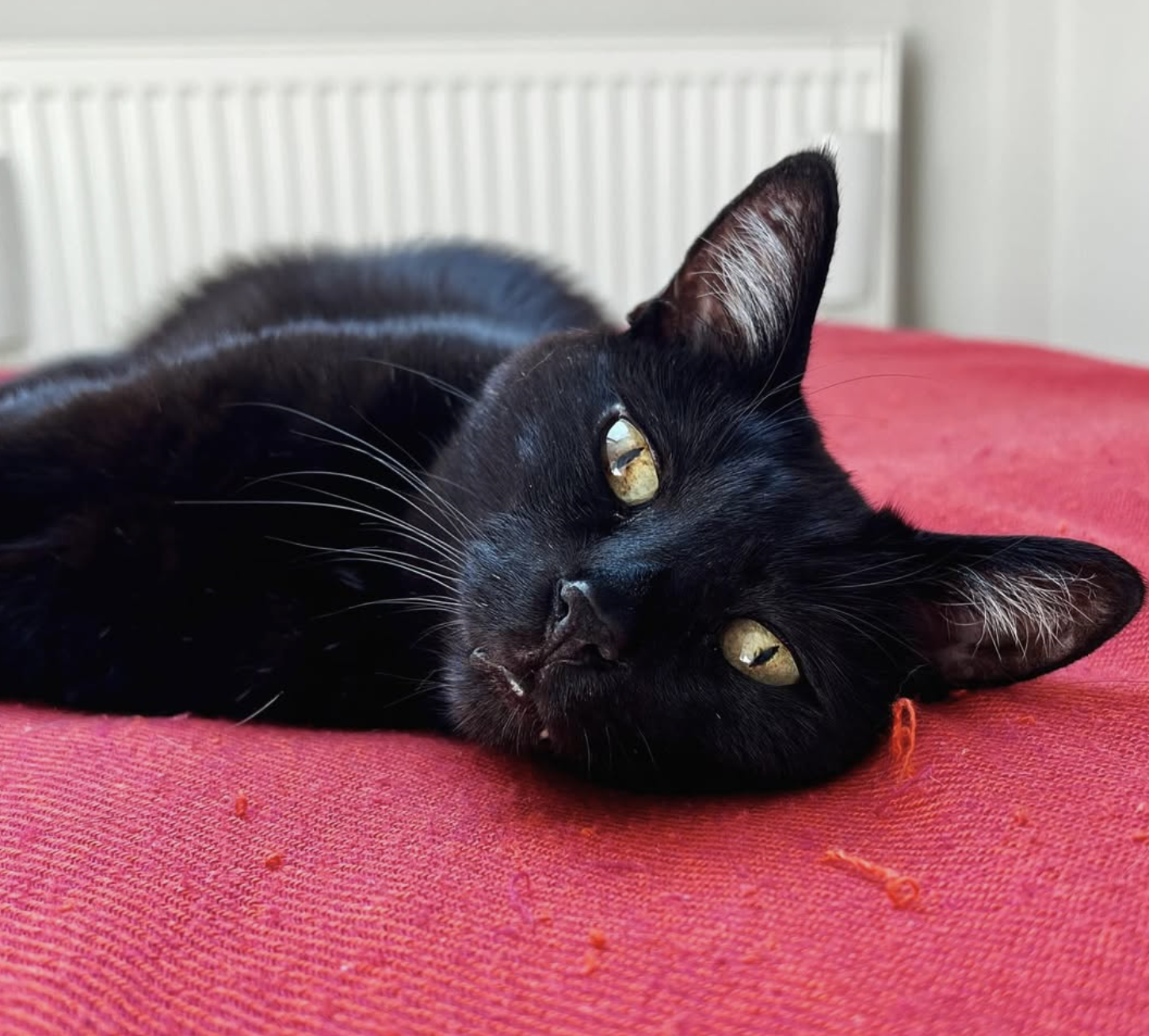
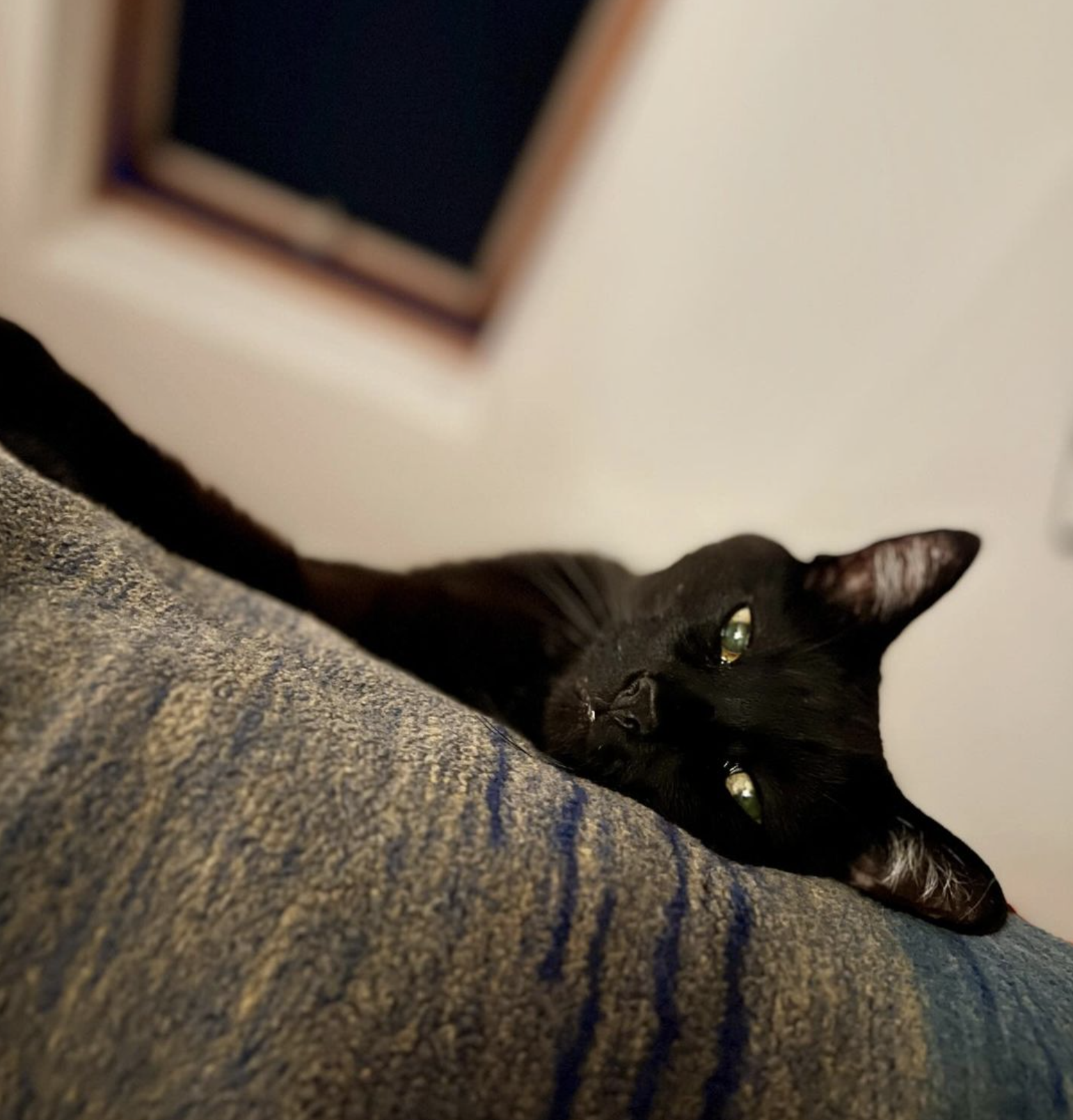
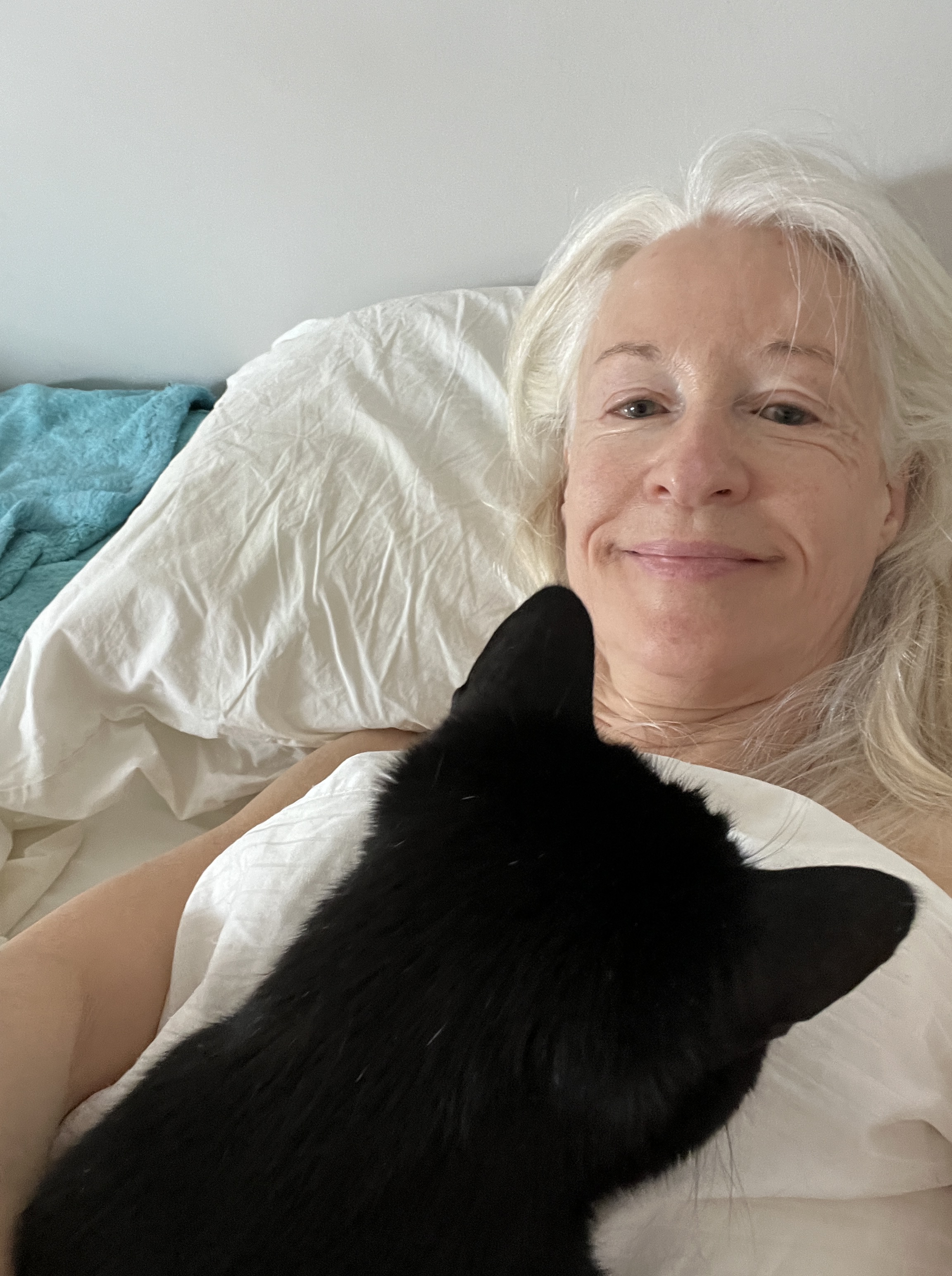
Ronan my black cat staring at me with paws crossed in front of him

I received an email that brought tears to my eyes yesterday: my personal essay “Invisible“, has been nominated for Best of the Net, the awards-based anthology, by Under the Sun. I am so honoured! This is not only my first Best of the Net nomination, but the first personal essay I’ve written that includes my various health issues. Once again, huge thanks go to the wonderful team at Under the Sun, especially editor Miriam Mandel Levi. 

(I think Ronan is looking pretty happy with himself, and so he should, given he’s my Muse.)

INVISIBLE: A Personal Essay

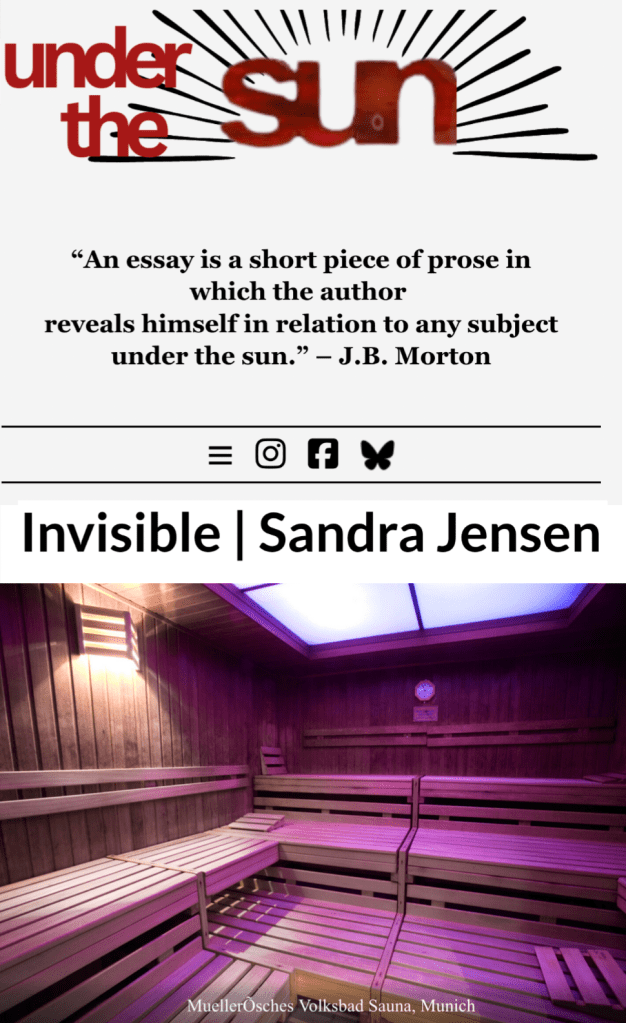
Image of Under The Sun literary magazine logo with a quote from J.B. Morton: "An essay is a short piece of prose in which the author reveals himself in relation to any subject under the sun." Below this is the title of Sandra Jensen's essay, "Invisible" and a picture of the inside of a German sauna

I’m long overdue for one of my rambly updates regarding my health. For now, suffice to say it’s been a challenging time, a challenging year. But I am super proud that a personal essay of mine, “Invisible“, was just published in Under the Sun. This is the first piece of creative writing I’ve done that includes my physical situation. Other than blogs, I generally avoid writing about my illness, for me creative writing is a way to forget that I’m a sick person. But I was trawling through some old pieces last summer, and found something I wrote about an experience I had in a German sauna. It needed work, a lot of work actually, especially the ending, and I found myself expanding on what I experience physically on a day to day level. It was a bit clunky, to be honest, but I sent it out, and the wonderful readers and editors at Under the Sun, especially Miriam Mandel Levi, helped me smooth things out and make the piece work. I actually haven’t ever had such an in depth and supportive experience of editorial input from a literary magazine. The whole process was a joy, thank you Under the Sun!

Photo credit: The Selkie team

Stopping the Fight

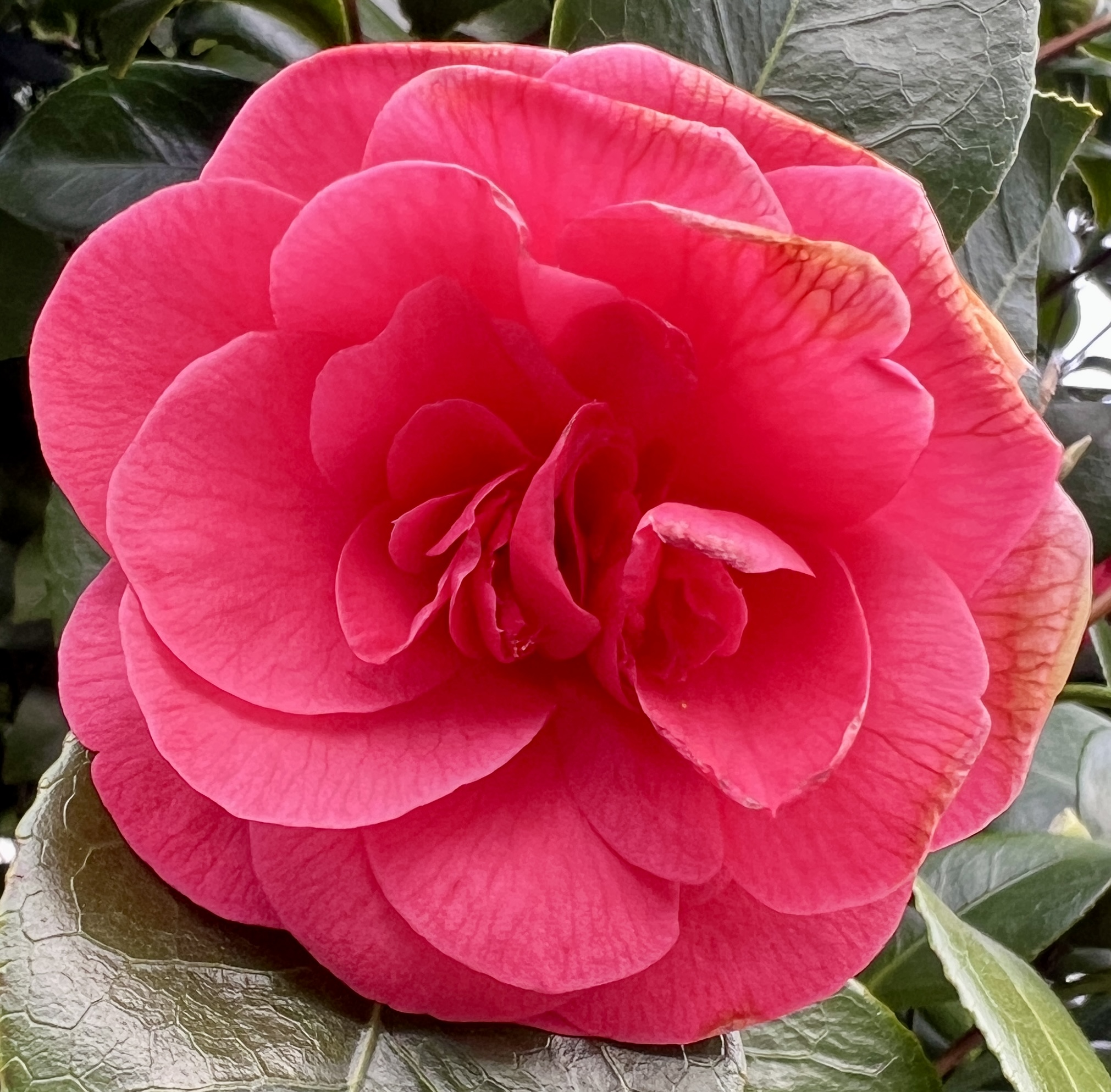
Pink flower

I thought The Untellable Tale was a difficult blog to write. In some ways this feels harder. It will be short however, which I’m sure will be a relief for those of you who so generously do read my long health blogs.

If you read The Untellable Tale you’ll know I had an extreme reaction to antibiotic therapy for late stage Lyme disease. I stopped the antibiotics on February 1st, and now, nearly six weeks later, I’m still not back to my pre-protocol baseline, but all the extreme symptoms are no longer. I am left with crushing fatigue, poor sleep in spite of sleep meds, almost deafening tinnitus and extremely poor memory. What has been more difficult to navigate is my mood, which has been very low. Not exactly depression, but close. No motivation at all. Everything feels flat, joyless. I suppose this is to be expected. My lovely acupuncturist said my body seemed to him in shock, the kind of shock you might have after a sustained period of trauma.

The past few days I feel the mood lifting a little, giving me the motivation to finally write this blog.

I had another consultation with my private consultant to discuss an alternative, more gentle protocol, largely herbal and supplement based. He said that the stats on this protocol are good, 70% make a good recovery, 20% a partial recovery, and 10% don’t experience any recovery. After the consultation I was still very conflicted, knowing that there is no certainty, that even on a gentler protocol there could be side effects and herxheimer reactions.

After a couple of weeks I finally had the energy to total up the costs of the new protocol. It is unaffordable at well over £500 per month, and I’d have to do it for at least 12 months, more likely 18 months. In some ways this made the decision of what to do easier for me. I am not going to continue. Now there is a grant I could apply for from a European Lyme disease organisation, but I can’t apply until the summer, and I’m unsure what they would cover if I got it. I may, or may not apply.

What has come to me instead is a radical shift.

To stop trying to fix my health. To spend the few useable hours I have per day doing things that nourish me. To stop googling side effects and cures and the latest supplements, to stop reading all the posts in the various forums I’m in on ME/CFS and Lyme Disease. To train my mind to stop focussing on every new symptom as something potentially traumatic.

While I’ve had my chronic illness for three decades and many of those years have been spent looking into ways to improve my health, things changed in 2021 when I got so very ill from the AstraZenica vaccines. I joined Facebook groups (and if you are in the UK and have a vaccine injury I cannot recommend highly enough the UKCVFamily charity/support and advocacy organisation, also on Facebook here), I tried so many protocols and supplements and had so many doctor and specialist consultations given my varied and bizarre symptoms from thyroid goitres to small fibre neuropathy, let alone the malaise and all else.

Actually, what I most remember from those awful times (and I’m still not back to pre vaccine injury health) was thinking, What if I can’t fix my health? What can I do? And the answer I got was to restart trauma therapy. Not just for the trauma of the adverse reaction, but to take another look at the multiple traumas I’ve experienced in my life. I have always considered my illness to be a mixture of trauma and pathogen, and largely a damaged nervous system from both.

It’s interesting to me that I am still in therapy, that I have recently experienced what was even more traumatic than the adverse vaccine reaction, even if occurred over a shorter period of time. I am so grateful that I am still in therapy. That I have an amazing therapist who doesn’t let me off the hook. I told her about possibly stopping trying to fix my health. She asked me how that felt. It took me a moment and then I said, it feels really good.

And, it’s clear it’s still a deeply challenging decision for me. I was sending a voice message to a friend and when I said, I’ve decided to stop trying to fix my health, I broke down in tears. I’m not sure why. Perhaps because it’s become so much part of who I am, and part of my day-to-day life. And it’s not as if I won’t take care of myself in whatever ways I can, but I want to stop trying to find a cure. To live within my limitations. I suspect this is one reason for my low mood: I’ve let go of something I have been engaged with every day for years, if only to remember when and how to take certain medications, with or without food, how much money do I need to raise to do X, blah blah.

So now what? I’m not writing (other than this, which is proving to be long, not short, as per usual). What about just ‘being’? Noticing when my mind attaches to a symptom and starts to either try to problem solve it or consider a dire future of worsening symptoms. I’m good at problem solving. My mother was the perfect role model for this. Good in most areas other than my health, that is. I was sorting through some old papers in my office this week, and I’ve been trying to problem solve my health for thirty years with increasing amounts of money and time involved.

Can I stop? Just stop?

Black cat surrounded by houseplants

And what about the incredibly generous people who have donated to help? It’s hard to ask for money. Harder to say, well, I’ve spent it on something that I can’t continue. I sit here, not knowing what to say about this. If I ever sell a book I will refund each and everyone of you. But I know that even if I do sell a book, it’s very unlikely I’ll make enough to do so. I know simply asking has helped me rewire (a little) my programming that I have to do it alone, that I am alone, that it’s not okay to ask for help. On the contrary, asking for help has connected and reconnected me to so many beautiful and generous people, and it is this connection that is one of the things I want to focus on, rather than the fixing of my health.

Sophie Strand who redefines illness and trauma in so many ways including asking “What if sickness is not a separation from the body?” writes the following in her memoir The Body is a Doorway:

If I can’t fix this then let me understand how it could be my superpower. If I can’t close my sensory gating, then open me wider. Dilate me like a cervix so that I may be the birth canal for stories that are not about human beings and human progress. Let me become a doorway for viruses and ecosystems and fungi and dove song. Let me become a doorway so big and so open that a new way of being can emerge, one not tied to the fiction of human individuals. One that is equally aware of the agony and ecstasy and is allowed to wildly swing out of the window of tolerance, achieving both the valleys and peaks that our culture has denied us. Let me exceed the graph. Let me swing past wellness into something wilder and less predictable.

Perhaps my recent awful health experience has taught me something. Perhaps I’ll more fully understand what that is in years to come, but I have an inkling that one thing is reframing the idea of illness as ‘wrong’. Not that I would wish it upon anyone, but perhaps there is another way to be with it. To stop fighting. To spend time doing absolutely nothing. To rediscover the joy in simply being, even with – or especially with – pain and physical suffering. It’s not the first time I’ve been here, I still remember a lightbulb moment, so long ago, in Mexico, when I had one of my many acute kidney infections, and I realised ‘fighting’ what I was physically experiencing was only making it worse. I was literally trying to push myself out of my body, as if that is even possible… so instead I surrendered, and while the pain and malaise did not change, something else did. It simply felt easier. When I do my Yoga Nidra guided meditations on Insight Time, and the person speaking asks me to come up with a ‘sankalpa’ – a hope/resolve/intention – what comes to me most often is to ask for ease. Not health. Not even happiness. Ease.

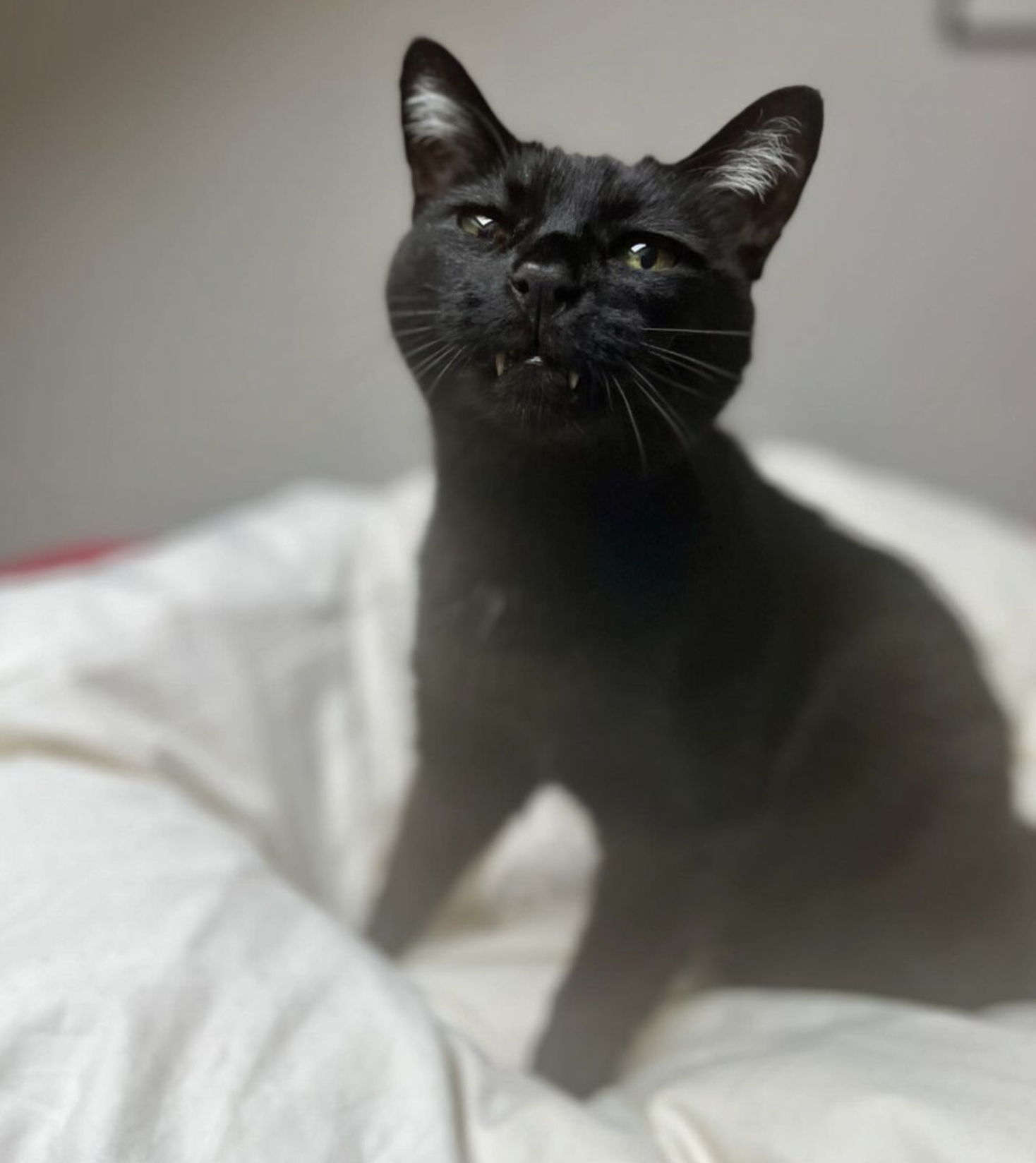
Black cat looking up

Previous blogs of mine on my physical situation:

The Untellable Tale
My Late-Stage Lyme Treatment
My Late-Stage Lyme Diagnosis
The Art of Illness: Part Two
The Art of Illness
Finding Home
Doctor, Doctor
44 Weeks
Still Suffering
ROCKS AND FLOWERS
Feeling Normal
The Real Story
The Unendurable, Part Two
The Unendurable
IT’S NOT COVID
More Things I Don’t Want To Talk About
On Being Invisible

The Untellable Tale

I’ve been thinking about writing about my latest health, er, journey, for some time, but that journey has been so extreme I simply wasn’t able to. And I’ve wondered, how in fact can any of us truly understand the inner experience of another person? How can anyone put words to this experience in a way that can reach not only the logical brain? Is there a point to trying? I think of the blog I wrote in 2022 titled The Unendurable. Little did I know there was worse coming down the line for me.

And then I picked up The Wounded Storyteller by Arthur W. Frank. I’ve only just started it but it feels clear that there is worth in telling the story, if only for others facing similar ordeals. Frank quotes someone who lives with chronic pain, Gail Garro:

And all these people in pain… all these people with aches and all these people suffering. We walk in different dimensions. We have access to different experiences, different knowledges. And there are so many of us, too. What would happen if we all knew what it really meant and we all lived as if it really mattered, which it does. We could help the normals and the whitecoats both. We could help them see that they’re wasting the precious moments of their lives, if they would look at us who don’t have it. I’m convinced that only sick people know what health is. And they know it by its very loss.

And so, here is the tale of my ordeal.

As many of you know, I started late-stage Lyme antibiotic therapy in January under the guidance of a private consultant here in the UK, with much thanks to generous donations. I preceded this therapy with some weeks of a high level nutrient protocol also suggested by the consultant, and again, covered by a very generous loan from a lovely friend.

Interestingly, I was in fact doing a lot better than ‘normal’ in November and December, partly perhaps because of the nutrient protocol. I began the first antibiotic on January the 6th, and the second two weeks later. I was doing fine, no side effects other than perhaps a slightly disturbed bladder. 

On January the 20 I started taking the second antibiotic twice a day, as per the protocol.

A week or so prior I noticed I had a canker sore on the very tip of my tongue. I hadn’t had one of these for decades. I also had an HSV2 infection, which isn’t unusual for me, but it was on the severe side.

On the 23rd I felt like I was ‘coming down’ with something. Just general malaise, headache, weakness. Nothing totally out of the ordinary, other than I hadn’t felt this for many weeks. The following day, I was far, far worse. I had the most violent nausea I have ever experienced. Sea-sick nausea, the type that takes all your energy just to endure. My temperature was going up and down all the time, and my heart, while regular felt like it was pounding in my chest like a drum. I had a headache, I felt incredibly weak, and due to the 24/7 nausea, I could only eat the simplest of meals.

I thought I had Norovirus. But I had no diarrhea, and no vomiting. The nausea was worse when lying down, I tried my two prescription nausea meds, but they did nothing. I messaged my GP practice asking for a stronger nausea med, and was told to just go to the pharmacy and get something there, which was useless advice as they would not give me a stronger anti-nausea medication without a prescription and I was too ill to get there anyway.

The nausea was utterly crippling. It’s perhaps my least favourite symptom (hence having two prescription meds for this anyway). But to have it 24/7 for four days? Plus all the other awfulness?

I told myself, I need to go to Accident and Emergency. I didn’t. It was the weekend. The hospitals here are packed with people with Norovirus and Covid and all else. The thought of waiting hours to be seen while experiencing what I was experiencing was unthinkable.

After the four days, the nausea abated, but none of the other symptoms. My stomach was sore, and the exhaustion crushing. I had an ache in my kidney area. My bladder felt inflamed. I was hot and then freezing. Often very dizzy. I might have an hour or so of relative strength, but the rest of the time was spent bedridden, my heart pounding away preventing any kind of rest. And then I noticed another symptom: my mouth was continually filling with saliva. And, about an hour after eating – no matter what I ate – I would have a sensation that I was going to vomit, but didn’t.

I had one evening where this sensation of being about to vomit was so strong, and combined with feeling I was going to faint, my face hot, my head whirling. It was indescribably awful. Again, I thought, I need to go to Accident and Emergency. Once again it was the weekend, and after about half an hour the ‘attack’ settled.

Another strange symptom was incredible hunger, and the sensation that someone had scooped out my stomach with a spoon most of the day, regardless of what or when I ate.

Retrospectively, I wish I had gone to hospital. But perhaps I’d have had the same treatment I had from a GP I will tell you about later.

I also had a second HSV2 infection. Very unusual for me, to have two back to back. Some of my symptoms could be attributed to this, the malaise, but none of the others.

I then noticed I had developed a weird rash of flat red spots on my thigh.

I began to assume what was happening was related to the antibiotic protocol. Either side-effects or a herxheimer (Jarisch Herxheimer) reaction – or both. A herxheimer reaction from antibiotic protocol for Lyme is the result of Lyme spirochetes being killed off, creating inflammation, in particular for cytokines, and if someone cannot clear these dying bacteria /toxins well, the situation can be extreme, and even life threatening.

I had tried to get hold of my consultant but it was the weekend. I decided on Saturday the 1st of February to stop both antibiotics.

Then, the next day, eleven days from when my ordeal started, I noticed my urine smelled diabolical, and I was exceedingly faint. It was a Sunday. I prepared an overnight bag and called 111 (the ‘sorting’ number to provide urgent medical advice and see if you need to go to hospital). They put me through to an out of hours Doctor. We discussed at length the pros and cons of going to accident and emergency. He could understand my reticence. He suggested I bring a urine sample into my own GP practice the following day, and go on an antibiotic specifically for urinary tract regardless and to see if I could see someone there that day. He sent a note to my GP practice to this effect.

So to great exhaustion on the Monday I take the urine sample and come home, awaiting the initial results and when I could have what they call an “emergency same-day GP”, not my own doctor, that is impossible these days. I got the appointment, so trekked out, the most activity I had done for two weeks. The initial test suggested ‘possible’ infection, but the proper lab test results would take a week. The emergency same-day GP was lovely. But he could do nothing for me really, other than prescribe a UTI antibiotic. Once again we discussed the pros and cons of going into hospital. He said, and wrote in my notes, this is a very complex case. He suggested I see how I do on the antibiotics and he was able to make me another appointment with a GP in the practice for the following Monday.

I felt slightly better, but not much. Extreme malaise, exhaustion, the mouth filling with saliva, the pounding heart, the sensation of an inflamed bladder, the horrible sensation of about to vomit after eating. I honestly wasn’t sure I did have a UTI, I know them well from decades ago. I decided to stop the UTI antibiotic after 5 days as I was not improving in any way. I spent most of the time in bed.

This whole period was the most unwell I had ever felt in my life. I do not say this lightly. I’ve had acute kidney infections. Tick bite fever. Walking pneumonia. Epstein Barr Virus. Mumps as an adult. Chicken Pox as an adult. Covid last September, which I thought at the time was the most sick I’d ever been. But nothing, and I mean nothing, compares. I was incapacitated entirely, unable to do anything much at all, unable to think properly. Overcome with one symptom and once it abated another would arise.

And all the lying in bed made my sciatic pain much, much worse. I did my best to take care of myself, and even managed to teach my Art of Therapeutic Writing workshops because for the short time they lasted, I could feel like a person, rather than a set of debilitating symptoms. But any activity meant a very severe crash afterwards.

I lost two kilos over these three weeks. Two kilos I could not afford to lose as I am already extremely underweight.

I finally had a consultation with my consultant. He believes I experienced an extreme herxheimer reaction, the worst he’d seen. It is probably impossible to know one way or the other (side effects or herxheimer or both), but when I finally got the lab results back from my urine and they showed no infection, it seemed likely he was correct, as he had described to me that Lyme herxheimer reactions can affect the sacral plexus. My consultant is going to liaise with his Lyme specialist in Germany and come back to me with an alternative protocol, possibly largely herbal based (I had previously said no to a herbal protocol, because I’d had two of these in past years to no effect). He also told me all was not lost, that the fact I had the reaction proves that I have embedded Lyme in my body.

On Monday the 10th February I had the GP appointment the emergency same-day GP made for me. If you follow me on Facebook or Instagram you will know how that went. Essentially she did not ask any questions but ticked me off for asking for blood tests as she thought the private consultant should be organising these (disregarding the fact that my GP, the head of the practice, was fine with me doing this), said nothing about my pounding heart and the other symptoms and told me the saliva was a non-medical issue and I should see a dentist. She asked me if I was ‘into wholistic health care’ or words to that effect, and I was so stunned at her lack of care I just said “Yes,” instead of pointing out that the way she was treating me was not wholistic. I left in tears.

I am slowly, very slowly on the mend, nearly a month later. Throughout this time and prior to the protocol I have been taking pre and probiotics.

I have so many feelings around all this. I am absolutely terrified of re-experiencing what I experienced, to the point of even thinking maybe I don’t go on any protocol at all. I keep thinking about how much better I was doing just a few weeks ago. That although it was still a limited life, with exhaustion and other symptoms, I can live that limited life. It’s not so bad.

I feel terrible about all the money donated by so many lovely people for a potentially undoable protocol.

 That I might need more money if I do decide to proceed.

I feel confused. But mostly I am in fear. I know this fear doesn’t serve me, not my mental nor my physical health. I am meditating, and doing all the vagus nerve settling I can manage.

Also quoted in The Wounded Storyteller is Jean Améry:

“I had grasped well that there are situations in life where our body is our entire self and fate . I was in my body and nothing else…My body was my calamity. My body …was my physical and metaphysical dignity.”

Another feeling I have is guilt – here I am, quoting Jean Améry who survived Auschwitz. I think of all the terrible things going on in the world. All the people who are and have suffered far worse than me.

But I try to tell this story. Is there any meaning in it? Perhaps one day I will understand. Perhaps one day I will put together the threads in a way that is more than a list of symptoms. Perhaps someone might stumble across my words here and feel not so alone in their own calamity.

I think of trees. I think of leaves.

I try to remember there are people out there who love me.

Thank you for reading, as always, if you got this far.

Update March 15: If you would like to know what happened next… read Stopping the Fight

Previous blogs of mine on my physical situation:

My Late-Stage Lyme Treatment
My Late-Stage Lyme Diagnosis
The Art of Illness: Part Two
The Art of Illness
Finding Home
Doctor, Doctor
44 Weeks
Still Suffering
ROCKS AND FLOWERS
Feeling Normal
The Real Story
The Unendurable, Part Two
The Unendurable
IT’S NOT COVID
More Things I Don’t Want To Talk About
On Being Invisible

My Late-Stage Lyme Treatment


Dear lovely people…

This is an update to my fundraising for treatment. It has been delayed due to a number of things, getting COVID for one—the sickest I think I’ve ever been, Ronan getting extremely ill after eating some leek in my soup….and my not being able to see my own GP until last week, to find out if she can prescribe the sixteen weeks of three antibiotics for my late-stage Lyme diagnosis from Dr. Sinclair. I wrote about this diagnosis on my blog here in early November, detailing the diagnosis and also that I realise there are potential issues with the treatment. However, if it can help just one of my many symptoms it would be miraculous. I’ve decided to start, if I can, in January, so I can get through the Christmas period without side effects…. (I haven’t even mentioned that I have a potential basal cell carcinoma on my forehead, weirdly it seems the least of my problems, but it’s being seen to urgently.)

Unfortunately, my GP can only prescribe one of the antibiotics, Azithromycin. She has, however, booked me in for the two basic blood tests and ECGs asked for by Dr. Sinclair, and will also see me every month. And, I want to thank a very very dear friend for so generously funding the extensive supplement protocol that Dr. Sinclair suggested, to support my immune system and my body in general during this process. 

I will still need two consultations with Dr. Sinclair, and, towards the end of the protocol, one more of the extensive blood tests from a German lab that were the deciding factor in the diagnosis (see my blog).

Once again I’m asking for your help. The good news is that the two remaining antibiotics, instead of costing over £800 as originally quoted, are MUCH less, due to the fact I’m ordering in bulk!

The full update and financial details are on my fundraiser. Even just a pound will help, and even just reading all this helps. Chronic illness is such a lonely journey.

Thanks as always for your support, for reading this far if you’ve managed to read this far!

Previous blogs of mine on my physical situation:
My Late-Stage Lyme Diagnosis
The Art of Illness: Part Two
The Art of Illness
Finding Home
Doctor, Doctor
44 Weeks
Still Suffering
ROCKS AND FLOWERS
Feeling Normal
The Real Story
The Unendurable, Part Two
The Unendurable
IT’S NOT COVID
More Things I Don’t Want To Talk About
On Being Invisible

My Late-Stage Lyme Diagnosis

Sandra's black cat, Ronan, sitting on  a white duvet

I wanted to write a little more about this other than my brief Facebook post, which I had so many kind responses to.

What feels important to say is that it’s my understanding that there isn’t really a fool-proof test for this, particularly since I’ve probably had it for 30 years.

I had, in fact, expected a diagnosis of chronic Rickettsial disease, not Lyme. Rickettsiosis is similar to Lyme – I contracted South African Tick Bite Fever a few months prior to the onset of typical chronic fatigue symptoms. I did go to the London Hospital of Tropical diseases and show them my bull’s eye rash, but they sent me away saying I’d get better. I didn’t really put two and two together until some time later – years in fact, and I did try to treat whatever was going on for me alternatively, but with no real change.

The recent diagnosis of Lyme was made by the private practitioner Dr. Ben Sinclair on the basis of a few things, my symptoms of course, and in terms of blood testing my extremely low NK (killer cell) count for dealing with bacteria, a borderline Borrelia (a bacteria that can cause lyme) iSpot, and some anomalies in the size of my red blood cells and the amount of hemoglobin in the cells (high mean cell volume and low mean cell hemoglobin content, indicating potential inflammation or intracellular bacteria).

It does at the very least explain the many acute and chronic bacterial infections I’ve had over the years. What is good is that I did not test positive for co-infections, which are very common with tick-borne illnesses, and my NK cells for dealing with viruses are, apparently, doing their job.

I am very much aware that an antibiotic protocol has potential problems, and doesn’t necessarily ‘cure’ someone with Lyme. This is especially if you’ve had it a long time. I read recently that the longer a chronic health condition lasts, the more likely other conditions accrue. I believe this is true. I also think multiple factors are usually behind a chronic illness, from trauma to DNA to a pathogen, and lifestyle factors. (I would say all three are involved in my own illness.) Or, you can have an initial positive response to antibiotics, and then the symptoms return, and further antibiotics are needed – or they simply don’t help in the long run.

As some of you know, there are two reasons I decided to work with a private consultant versed in tick-borne illnesses, and to treat with antibiotics: Meghan O’Rourke’s book The Invisible Kingdom: Reimagining Chronic Illness, which charts her own multiple health issues and journey trying to find answers, and her positive experience with antibiotics, as well as the fact that earlier this year after three weeks of some unknown illness, I responded immediately to Doxycycline. In the past I’ve worked with at least two alternative practitioners who used herbal protocols that included treating tick-borne issues, but as I mentioned, without any noticeable results. Possibly the same will happen after 16 weeks of three different kinds of antibiotics (Dr. Sinclair’s protocol, and common in the US and Germany). But given I have pretty much tried everything else, and I’m only getting worse, not better, I thought it was worth a try. Perhaps it will relieve at least some of my symptoms, which would be amazing! I realise I will need to pay special attention to the gut microbiome. (Meghan O’Rourke did Faecal Microbiota Transplantation treatment here in the UK at the Taymount Clinic, but this is very costly.) I do already make sure I eat prebiotic/probiotic encouraging foods (and supplements).

Mostly I wanted to write this to help me manage my own expectations, and to outline a little about the ‘story’ – that it wasn’t a shock to get the diagnosis, in fact initially it felt good, to have something specific as I was never even sure I (still?) had Rickettsial disease. And, like most people diagnosed with ME/CFS my regular blood tests are nearly always ‘normal’ and this is frustrating when I have so many debilitating symptoms that leave me largely house-bound and often bed-bound. So to actually see on paper that I do have issues with my immune system – and probably have done so for a long time, it’s a weird kind of relief! And, to be honest I am finding the whole process quite stressful. The basic costs involved are high and many of you have already generously donated to help me get to the point of diagnosis. I will need to get the antibiotics, which have very specific timeline/dosages, and organise three follow up consultations with Dr. Sinclair during the course to ensure I’m doing okay, plus another blood test from Germany once I’ve completed the protocol.

I’m hoping I can get the antibiotics prescribed by my own GP but she’s not available until mid December. Please send good will wishes that she can prescribe and is amenable to the approach! Otherwise I will have to get them privately. Once I have a clearer idea I’ll update my fundraiser.

Thanks as always for your support, for reading this far if you’ve managed!

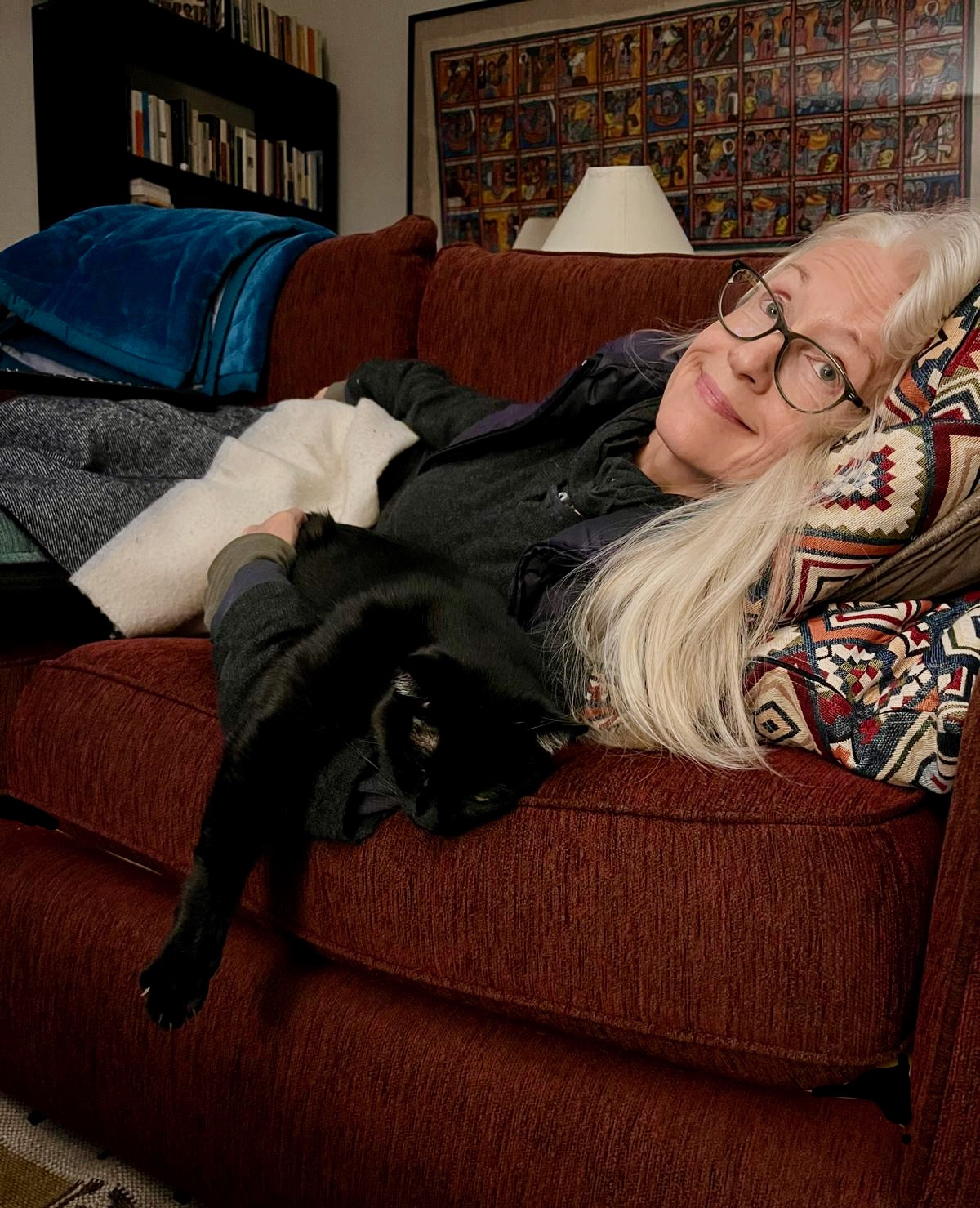
Sandra lying on a couch with her black cat Ronan

Photo by David Crean

Previous blogs of mine on my physical situation:
The Art of Illness: Part Two
The Art of Illness
Finding Home
Doctor, Doctor
44 Weeks
Still Suffering
ROCKS AND FLOWERS
Feeling Normal
The Real Story
The Unendurable, Part Two
The Unendurable
IT’S NOT COVID
More Things I Don’t Want To Talk About
On Being Invisible

THE ART OF ILLNESS: PART TWO

For some reason I cannot post an update to my Fundrazr Can you support my journey to physical recovery? So I emailed everyone who donated, and am going to post a version of what I emailed, as so many lovely people have reached to see how I am doing. (If you are stumbling across this blog and don’t know the ‘story’ (and want to!) have a look at The Art of Illness.)

I just had my first consultation with Dr. Ben Sinclair, which is what the fundraiser was for, two consultations with him. Oh I wish all Doctors were like Dr. Sinclair. Prior to the session I had completed several pages of questions regarding my health history and so on, which he had read through prior to the meeting (Google Meets). Dr. Sinclair was very thorough, and my take was he had an excellent, intelligent and multi-disciplinary approach, taking in all the complicated aspects of my story. As I also suspect, I most likely have both viral and bacterial issues, plus damaged autonomic nervous system / dysregulated immune system, from both trauma and pathogens (including EBV, HSV, mycoplasma pneumonia, tick-borne disease etc). He listened really well, was articulate and positive, and I felt had a clear understanding of the many issues I have/have had. He himself had Long Covid and had such poor treatment on the NHS, which is why he started his own private practice with a small team behind him including Dr Carsten Nicolaus who specialises in Lyme, tick-borne diseases and associated health conditions.

Dr. Sinclair came up with a plan for me:

First off I need to do some blood tests on immune function, vector borne diseases and so on. Some of these I might be able to have paid for on the NHS, others will have to be done privately. I won’t know for a week or so as I’ll be filling out further forms and discussing with my own NHS GP what she can get done. I am hoping I have enough from what was raised to at least cover the blood tests, but I’m not sure at this point.

Once the tests are done, I will go on a trial of a month of the antiviral drug, Valacyclovir (which I know my NHS GP will be willing to prescribe, thankfully). This is something I’ve been thinking of doing for a while. Dr. Sinclair talked about ‘clearing the decks’ so to speak, before bringing out the big guns (my words!) – as it will help him decide more specifically what to use – antibiotics or alternative approaches or both. 

Dr. Sinclair said a lot of very encouraging things, including how it’s possible my activated sciatic nerve issues could be connected not so much to the prolapsed disk but to all else that is going on. I do know there are people walking around with exactly my diagnosis (pinched nerve from prolapsed disk) who have NO pain, so…. It would be miraculous if this was one of the many things that eased with his treatment programme. And, he thinks my restless leg syndrome could also be an aspect of the whole situation. It would be so amazing if this also cleared up! And, it will take time. I think we are talking about at least 6 months or more of treatment.

My health has been bad lately, including a week of such profound physical weakness I could barely open my eyelids. This is very unusual for me, it might occur for about an hour in the evening but not for a full week. I was so despairing I thought if I had the funds I’d check myself into a respite care or something similar (mostly respite care is for carers, but as I am my own carer for the most part some respite would be lovely…). Thankfully the weakness eased.

Anyway, I am eager to get started on this journey!

I’m sure most of you aren’t interested in all these details but I did want to update once I had the first consultation. 

Again, thank you all so much for reading, and for your generosity.


Previous blogs of mine on my physical situation:
The Art of Illness
Finding Home
Doctor, Doctor
44 Weeks
Still Suffering
ROCKS AND FLOWERS
Feeling Normal
The Real Story
The Unendurable, Part Two
The Unendurable
IT’S NOT COVID
More Things I Don’t Want To Talk About
On Being Invisible

THE ART OF ILLNESS

It’s been over a year since I wrote a blog about my health (the latest one being Finding Home). Mostly because not a lot changed since then, both positive and negative aspects were on an even keel – nothing drastically new, but manageable, many thanks to all the support I received from so many of you. So: better mental health, lessening of weird symptoms (burning mouth/foot syndrome, thyroid goitres etc) but still the small window of energy each day, bordered by exhaustion, still a continuous discomfort veering sometimes into pain down my sciatic nerve, still my pancreatic insufficiency for which I have to take digestive enzymes with everything I eat, still getting up in the night to wee several times, and sadly the restless legs returned when I stopped the sciatic pain medication, but if I can get my ‘bad’ leg pulled (quite literally!) before sleep, this seems to ease it so I’m sure it’s associated with my prolapsed disk. I’m also still waiting for consultations with an NHS cardiologist etc (it’s been over 2 years now…), but it’s been a while since a tachycardia episode has woken me violently in the night.

If there is an art to illness, I felt I was learning it.

I suspect one of the main skills involved in such an art is being willing to ask for help. If you’ve read my blogs you’ll know how difficult this is, was, for me, and yet doing so created a fundamental shift inside me, the beginnings of rewiring of old programming that I had to do it alone, had to be independent, strong, without needing help from others. This was what my mother modelled, and although I could see how negatively this affected her and her life, it was hard to shake myself free of the same beliefs. I was forced to, my health deteriorating so severely I more or less had no choice (see The Unendurable).

But something changed in March and once again I’m asking for help. If you’d prefer to skip to the specifics rather than my lengthy preamble, go here.

For no particular reason (that I know of), my exhaustion no longer had a window of energy and became crushing. It is 24/7. It’s affecting my eyesight, I can barely focus until late in the day (I’ve had my eyes tested, they are fine). The only times this had happened before was if I was actively ill, or after my adverse reaction to the vaccines. I was (am) still “aggressively” resting which means guided meditations lying down and an eyemask, at least twice a day – my days being shorter than most people’s as the best sleep I seem to get is in the morning, so I get up late, and my body starts to shut down around 7 pm, so the most I’m doing then is watching TV or reading.

Although this exhaustion bothered me, I decided to participate once again (and hopefully assist a little) in my partner, David Crean’s  Body Resonance Goddess retreat in the beautiful Milelja Retreat Centre near the little town of Molyvos. I was much sicker the first time (two years ago), and almost didn’t go. I’m so glad I did as it was a deeply healing experience. This time, although I continued to feel very tired, it was once again amazing. Particularly important for me was making deep connections with three beautiful women, two of them half my age (but twice as wise), connections I know will last my life. But the journey home was challenging, 19 hours of delayed flights and long drives and sitting on runways or in the air awaiting a slot.

Two days later I became profoundly ill. What I sometimes call my ‘usual’, only more severe and lasting much longer than normal: deep malaise, as if you are about to come down with a tropical illness, or a bad flu, but without any coughing or sneezing or even fever. I could sense something was ‘in’ me, something unwanted – a virus, bacteria, mycoplasma, I don’t know. Something that lives inside me and hurtles to the surface when triggered, most likely. A retained pathogen, my acupuncturist believes. Three weeks of utter grimness.

At the time I was reading The Invisible Kingdom: Reimagining Chronic Illness, a 2022 medical memoir by the poet Meghan O’Rourke. It tells the gruelling journey of her own physical health, but also delves into the social and political ramifications of chronic illness. The gaslighting, the sexism, the failures of the medical institutions. The book is extensively researched and she interviews a number of doctors and scientists. It’s not an easy read, not because it isn’t well written, it is, but because of all she suffered emotionally and physically, still suffers, and the truth she writes about how it is for those with chronic illness.

There is so much I’d like to quote from the book but the parts that struck me the most were about how so many who are ill are expected to learn something from it. We do, of course we do, but at what cost? As Meghan writes:

There is a razor-thin line between trying to find something usefully redemptive in illness and lying to ourselves about the nature of suffering. Until we mourn what is lost in illness—and until we have a medical community that takes seriously the suffering of patients—we should not celebrate what is gained in it.”

If you don’t want to buy the book, Goodreads has a good list of short extracts and quotes.

Like myself, Meghan has multiple reasons for her illness. But the thing that helped her the most, the thing that allowed her to live a relatively normal life, was treatment for Lyme disease: an intense and long-term course of antibiotics. (She followed this up with FMT in England – fecal microbiota transplant, to take care of the microbiome killing side-effect of antibiotic therapy, something I’ve known about for years as it can help those with chronic illness, but for me it’s unaffordable).

One of the factors that most likely triggered my ME/CFS was South African Tick Bite Fever (similar to Lyme, but often called Rickettsia). I’ve long thought about embarking on an antibiotic treatment, long avoided it, long wanted to try everything else. I’ve also thought about taking antivirals, which some with ME/CFS do very well on, and given it’s likely I have flare ups of Epstein Barr Virus and that I do have flare ups of HSV 2, they could help. But my impulse has always been towards alternative approaches, and even when I went to a tick-borne illness versant doctor in Germany fifteen years ago, she treated me with herbs (one year of them, after which she said I was cured and yet my health steadily deteriorated, possibly because I wasn’t properly dealing with past traumas that can also be a factor in chronic illness. I went on another tick-born illness focussed herbal protocol about six years ago – you read Finding Home you’ll see the extensive trauma therapy journey I’ve been on – and my mental health has never been better thanks to this. But I’m still ill).

Reading Meghan, and feeling so entirely awful for three weeks got me thinking. There are tests for tick-borne diseases, mostly in Germany and the US, but they are hugely expensive and not entirely conclusive. I spoke to my GP here in the UK and she told me she has a patient with a similar profile– trying everything including trauma therapy, and that the antibiotic most used for Lyme, Doxycycline, finally helped this patient. Would I like to try? I had no hesitation. YES, I said. I didn’t expect any result but within a day of taking them I no longer felt grim. The tiredness, the difficulty focussing, yes, but not grim. I’m on a week trial, to be extended another week if I’m doing alright.


A couple of days after starting the antibiotics I connected with someone in a support group for those with tick-borne illness. I’m not sure why I reached out to this particular person, perhaps because she’s both a scientist and a writer, because I liked her profile picture, her posts about solar power, about how humans and apes share a common language, her posts about cats. She hasn’t been ill for as long as I have and she initially thought it was ‘just’ Long Covid. She discovered Dr. Ben Sinclair, a private consultant who is putting together a centre of excellence focussing on hard to diagnose and treat illnesses like Long Covid and Lyme and is working with some world leading experts on these.

As I know, many with post covid infections or adverse reactions to the vaccine have reactivation of other viruses or bacteria and based on her symptoms, Dr. Sinclair treated her with both Doxycycline and antivirals (Valacyclovir). While she still has Long Covid, she is doing much better since this combined treatment, and still works with him.

Given my own GP is not a specialist in this area, given the NHS only allows for 10 minute slots if that, and given this new journey I am on is not straightforward, not without side-effects or detours or set-backs (as is clear from Meghan’s book) I strongly feel I need such a support, at least an initial consultation.

It’s not cheap, of course, but much cheaper than the blood tests I had vaguely been thinking about over the years: £299 for an initial 45-minute consultation. (The ten-day FMT Programme Meghan did in the UK costs £5175.00 but that’s not in my sights right now!).

So, yes, once again I’m asking for your help. Once again it isn’t easy, and I have no expectations. But if you can help that would be amazing. (If you’ve read this far, that’s amazing too!).

I would like help towards two consultations with Dr. Sinclair, one to start with and another to see how I’m getting along. Thankfully as I’m ancient now, prescriptions are free 😊

Here is the link to the fundraiser: Can you support my journey to physical recovery?

Thank you for reading. Thank you for being there. Thank you for the little messages I get on my Facebook and Instagram posts, it all means so much to me.


Previous blogs of mine on my physical situation:
Finding Home
Doctor, Doctor
44 Weeks
Still Suffering
ROCKS AND FLOWERS
Feeling Normal
The Real Story
The Unendurable, Part Two
The Unendurable
IT’S NOT COVID
More Things I Don’t Want To Talk About
On Being Invisible

More Things I Don’t Want To Talk About

I shared my ‘invisible illness‘ blog on Facebook, and in the comments someone suggested I had more to write on the subject. I told her writing the blog made me quite depressed, putting my health situation ‘out there’, in public. For me it seemed to concretize what was going on, to make it all the more real, all the more inescapable. And not long after writing the post – although I can’t prove a connection (there were other factors) – I had a serious CFS/M.E. relapse, putting me entirely in bed for nearly a week. It was the most serious relapse I’d had for months. Imagine having a severe tropical illness, or something like pneumonia, and you are in hospital. You are on the road to recovery, but still bed-bound. This is how such a relapse manifests for me.

I had felt something coming on for several days prior, one of my least favourite chronic symptoms rachetting up: a sensation of pressure in my head, combined with intense bi-lateral tinnitus increasing in volume from the time I wake in the morning until I go to bed, at which point it is almost unbearable. I can do nothing but listen to the clanging, a tone of a school alarm alerting you to a change of class, or the sound of a fire alarm in a public building. It is this particular tone. I’d have a digit removed if it meant this symptom could magically disappear. It started about 3 years ago, and occurs every single day. It’s worse when I’m tired or ill, but it’s always there. An alarm going off inside my skull.

What I haven’t written about my health situation is my anger. My profound despair. My hopelessness. My depression. Much of the time I ‘manage’. I’m good at managing. If my symptoms are fairly consistent and not entirely debilitating, and if I can apply some kind of routine to my day, and if, every so often I am well enough to get out to meet with a friend, I am not angry. I am not despairing. I am managing. Those emotions sit there quietly in the back waiting until I am once again thrown into incapacitation as I was last week. Then I think to myself, “I cannot carry on like this, I just cannot.” When I am so debilitated I can’t write, I cannot see friends, I can barely even read. Life doesn’t feel as if it is worth living. These are hard times.

I went through a protracted period of incapacitation about a year ago, and I realised I had to take stock. If my life was to continue like this, then what? I was at the end of my tether. I have been suicidal in my life, I have had several breakdowns, but this was not that. This was taking a good hard look at my situation. The facts. I knew I needed two things: nature, and a community. I needed to be in a place where close friends would be willing to come to me, to sit quietly perhaps, to make me a cup of tea. Or not, just to be in the house, so I can hear them chat away to themselves. The clink of cups. A kettle boiling. When I am ill it is often better for me to be alone, but I like to know there are people nearby.

Until that point I was very isolated. I had no friends in this city I’d been living in for five years (word of advice: if you have a chronic illness, are a writer, do not have a ‘job’, have no children, do not go to church, and your partner’s work takes them away for nearly six months of the year, do not move to a city where you don’t  really know anyone). It’s not that I don’t have friends, I do, several wonderful friends, but most of them do not live in the country I live in. Isolation is well documented to adversely affect health.

So, I forced myself to teach once a month (doing any kind of regular work, a normal ‘job’, has been impossible for decades, as I never know when I might be too ill to do the work).

My teaching has brought a handful of beautiful people into my life. But it’s not enough, particularly since they don’t live within walking distance.  This is what I call community. Someone next door. Someone across the way. A tiny village.

Nature is our minuscule patio filled with the sound of the industrial fans from the shop beneath us and the shop beside us. The patio is also a thoroughfare for those working in the shop below, so is never private. There are no parks near enough for me to walk to, and although the English Channel is but ten minutes away, it entails crossing a highway. This might not seem like a big deal but I am so noise sensitive (hyperacusis) going near this road actually hurts.

We need to move, not just because where we live is not conducive to my health, but also because our overheads are unsustainable. And then I worry: if we move far, to a new place, what happens to the friends I’ve managed to make here? Will I have to start over? What about the wonderful psychiatrist homeopath I am able to see nearby on the NHS? The TCM practitioner I’ve just found? There are so many other factors that make any kind of move complex and difficult, let alone the actual move itself. This is barely conceivable for me to manage.

Everything feels like a catch-22.

I have avoided talking about my anger about my illness. It’s not present right now. Anger is not an emotion I feel frequently. I can count on my two hands the times I’ve actually been enraged. I’m not suppressing anger, it’s just not there. But I am angry about my illness. I do not feel I signed up for this. I remember a friend, some years ago, telling me I did not seem like a sick person. I do not have the profile of a chronically ill person, whatever that is. Does anyone sign up to be ill? No, of course not. Also, I do not believe we are given these challenges by the universe to “teach” us something.

But we do have an opportunity to take a look at how we react to challenges, how we are ‘with’ whatever is going on. We can learn from what we are going through.

In the early years of my illness, when it manifested as bouts of acute bacterial and viral infections, I learned something: if I fought what was going on (a literal physical sensation of trying to push my body, my discomfort, away from me), it worsened the symptoms.  If I physically relaxed, and was ‘with’ what is, things eased. I did not get well, but my experience of whatever was going on improved.

Now that the progression of the illness has changed, now that each day includes long periods of discomfort, I am neither with nor against what is happening. I am simply bearing it. Even when I tell myself “I cannot bear this.” I am bearing it. I have no other choice. I will not end my life, even though sometimes it feels as if my life is ending me.

I have avoided talking about my despair. In my blog about having an invisible illness I linked to a post in the New Yorker about memoirs of disease. One of the memoirs is ‘Sick’ by Porochista Khakpour. I haven’t read it. I had come across it some time ago, and thought I should. Porochista Khakpour was finally diagnosed with chronic Lyme disease and treated with antibiotics amongst other things. A few days ago I decided to find out how she was doing. What I discovered was the thousands of dollars it took for her to be diagnosed and treated. More money than I have, far, far more. She raised much with crowd funding. I am not sure I could do this: my shame around my illness prevents me (another thing I haven’t written about). And then I learned she is still not well. By the time I finished reading all this, I could barely breathe. I don’t have the money to pay for this kind of testing or treatment. And even if I do, it may not make an iota of difference.

I was at rock-bottom. Sick, despairing, hopeless.

But at the bottom there is nowhere else to look but up. Once again, I knew I had to take stock. I had to turn my focus to the aspects of self that are not my illness.

I recently won a prize for my writing (I cannot announce the details publicly for a few weeks), and I am reminded: I am not just a sick person. I am also a writer, even if all I can do is to think about what I would like to write. I am also a friend, even if all I can do is talk to you on WhatsApp.

I am still here and the day will unfold with its challenges. I haven’t given up yet.

On Being Invisible

I recently read a lovely post on Instagram, the words of a brave young woman who had CF (cystic fibrosis), it moved me deeply to hear how this she described the challenges of her short life, as it felt so similar to my own challenges. I hesitated in commenting as I felt my health situation could not compare, but perhaps someone out there needs to read how my life is for me, and perhaps not feel so alone.

Like most children, I used to pretend I was able to make myself invisible. It seemed I was quite good at it, I could enter and leave rooms without anyone noticing, I could ensure a teacher would not choose me to answer a question.

But the kind of invisibility I am writing about now is quite different. I am seen, but not seen.

For the past 24 years have a chronic illness (variously diagnosed as M.E./CFS or CFIDs or possibly chronic Rickettsia, a lyme-type pathogen), which to the “chronically well” goes largely unnoticed. Much has been written about ‘invisible’ illnesses and the challenges of having one, and I’ll put some links below this post, but I suspect it is mostly people who either have an invisible illness, or those caring for them, who read these things. So I’m writing this in the hopes that someone stumbles here, who is unaware of how an invisible illness is experienced by someone who has it.

To most people I look fine, I sound fine. I seem to be doing things healthy people do. I don’t have a feeding tube up my nose, I don’t have to walk around with an oxygen tank, I don’t even have an inhaler. I don’t have a terrible skin affliction. I have all my hair. In fact I am lucky to have a lot of hair. I am rarely pale. I walk at a normal pace, for the most part, although this is generally because I’m trying to keep up with a chronically well person, I hate to be a drag. My illness is so invisible, that even when I tell someone, I feel really dreadful, they carry on treating me as if I am feeling perfectly fine.

Actually, this is often my preference: to be treated as if I am as healthy as I seem. My illness is a boring subject for me, having had it now for so long.

In spite of finding my health issues tedious to dwell upon, just sometimes, I’d like someone to know, to really know what it is like to live in my body. There are a few people who have a good idea – usually those with a similar illness or the loved ones of those with a similar illness. I also do not want to be pitied, or to have people give me that Oh you poor thing look.

Generally I try to keep my health situation to myself. Illness is like death and grief. For the most part, people don’t want to have anything to do with it, and if I do talk about it, instead of simply asking, Tell me how are you affected by this, I’d like to know, most pull their eyebrows together and frown sadly, which is meant to look sympathetic but really is a kind of defence. I know, because I’m guilty of doing this myself. I also had one friend who would do everything she could to hear me say, Things are good before she would continue her conversation with me, or she would somehow find something in what I said to prove to her that I was doing better, that all was fine, and tell me so.

Or, people carry on as if the illness (or the grief) simply doesn’t exist. Being on the receiving end of these approaches is challenging. I may be chronically ill, but I am also so very many other things, and, I am often feeling really awful, in spite of appearances, and it helps me to have all of my ‘selves’ included in a friendship.

If you lived with me, my illness would not be invisible. You would see that just two hours after getting up in the morning, I am forced to go back to bed for an hour or so (on a good day). You would see me do some work for perhaps three or four hours at most, and then you would see me spend the rest of my day mostly lying prone. You might see me out and about, doing reasonably well, and then suddenly crashing, and then you’d see me desperate that I cannot be at home, in bed, instantaneously. You would see me leave the house in the evening for my weekly ukulele class, and you would know what an enormous undertaking it is for me. I haven’t taken a class in anything for years because I just felt too awful. I still feel too awful (in fact I’ve gotten progressively sicker over the years) but now I’d rather be taking the class than not.

If you lived with me, you would see that my symptoms usually increase over the course of the day, so that by the time I go to bed, I’m entirely overwhelmed by them and can barely think or speak. If you lived with me, you would know that a mumble means Night night, I love you.

The disease has changed for me over the years, there was a time when I would in fact a few weeks of relative health, and then severe viral or bacterial infections of some kind. But now, it is a daily experience of navigating relative levels of discomfort.

I am chronically ill and yet I attend to my writing, I attend to my animal rescue work, my friendships, my family, and I attend to my teaching commitments – all done in those few daily ‘useable’ hours. I can’t say I attend very well to these things, but I try.

I even manage to travel, and to participate in some events that demand a great deal of me, and I’ll seem just fine. I might even be just fine. Until I get home, and then, usually, I will get so ill I have no useable hours at all for a few days, or even a few weeks.

This is how it has been for years. You might suggest that I don’t do anything in those few hours, I should experiment with resting the entire day, or that I don’t go on trips. The thing is, I have spent so very many entire days in bed and I want a ‘normal’ life, and so those useable hours, those trips, are precious to me, they make me feel as if I too am a chronically well person, if only for a little while.

There are other interesting challenges associated with this ‘invisible’ illness ( although for some people it is not so invisible, many with M.E. / CFS are bed-ridden or have to use a wheel-chair). One is the name ‘Chronic Fatigue’. Most people will imagine how it is when they are tired. But Chronic Fatigue is not ‘fatigue’, it is not tiredness, it isn’t even exhaustion. It is frequently the severe, all-encompassing, crushing weakness and aching one might have with a serious flu or tropical illness. And then there is the multitude of other symptoms that would fill an entire blog post.

And then there is the unasked for advice. I understand this impulse, I have it myself – to try and ‘fix’ whatever it is that is wrong in someone else’s life. I’d much rather be listened to than given advice, I am a font of advice for myself, I don’t need anyone else to give it to me, unless you have a similar heath issue as myself, and have genuinely found something that has helped you or something you truly think worth trying. However, one of the main ‘problems’ with M.E. /CFS is that no two people have the same set of symptoms, and what ‘works’ for one person may not work for another.

M.E./ CFS is not a considered a terminal diagnosis, yet ME/CFS patients are at increased risk of all causes of mortality, especially suicide. Few people know this. In fact, no-one really knows what M.E. is. My own GP admitted: “It’s a name for something we don’t know what it is, and we don’t know what to do about it.” Personally I think these chronic illnesses are often the result of a kind of ‘cocktail’ – a pathogen and trauma. I’ve tried everything from Mexican Shamans to immunologists, but to no avail. So I try to carry on with my life.

Recently I had brief brush with a frightening, and often terminal disease: cancer. After a few terrible hours writhing in pain in A&E on a Saturday night, a mass was found in my pelvic area, and thought to be a suspicious ovarian cyst. I was fast-tracked for further investigations and then scheduled for an operation to remove both ovaries and fallopian tubes, the cyst to be sent for analysis. For 6 weeks I lived in a new dimension: a dimension where what I had was not chronic, but acute, possibly life-threatening. I cannot say it felt good to be able to tell people of my ‘new’ health situation, but it certainly felt different: everyone was well-informed about cancer and the potential ramifications. I had little explaining to do, and a lot of wonderful support. I no longer felt I was moving through the sludgy, invisible world of my chronic illness, instead everything became pin-sharp and bright – interwoven with a great deal of fear. I was afraid about the cyst, and about the operation. It was my first.

M.E. / CFS does not make me afraid, but it does make me feel extremely limited. I feel the illness has taken away much of my adult life. I realise this is a negative view, and that perhaps I have also learned much because of the illness. I have learned compassion, at least, for those who are in a similar situation.

The operation was not only a success, but miraculously they found no cyst, and only one fallopian tube was removed as it was severely twisted. On hearing this I felt so grateful, so very alive. I try to remember these feelings as I return to my ‘normal’, invisible illness. And that in spite of all, I am here, I am alive, and I am well enough to be writing this, for this I am truly thankful.

Some more information on this subject:

Six Common Misconceptions about the Chronically Ill

What is Invisible Illness? (+ How to Explain it to Others)

17 Things Healthy People Need to Hear During Invisible Illness Awareness Week

Invisible Disabilities Association
But You LOOK Good 
One of many informative pamphlets produced by the above association

The Challenges of Living with Invisible Pain or Illness

Also well worth reading: New York Times article by Lidija Haas on “Memoirs of Disease and Disbelief